

From the nursery at Bruckhills Croft ·
Flowers of many plant species produce a scent, and snowdrops are no exception. Just like there is a huge range of flower shape and colour, there is an equally large range of scents, or perfumes; and no two are exactly the same.
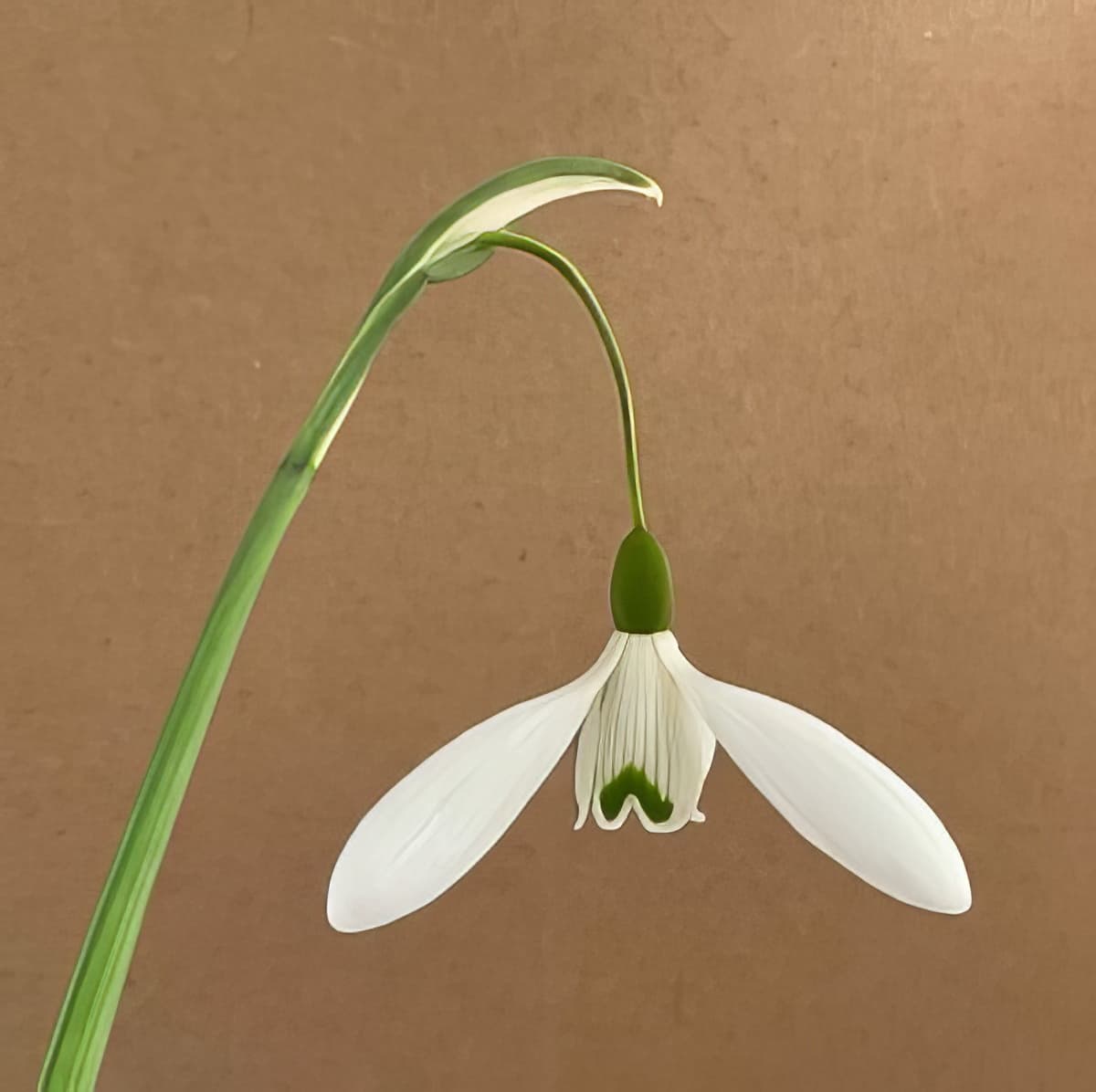
Galanthus 'S. Arnott' - most famous for its 'honeyed' scent
What is the perfume made of?
Floral scents are a complex mixture of Volatile Organic Compounds or VOCs, a term which we often associate as being bad when talking about paints or household products, but are also a natural part of the plant world. The diversity of volatile compounds, and the varied combinations of those compounds, cause the variety of perfumes from different plants. As temperatures rise, VOCs start to evaporate and scents are given off into the atmosphere. Some evaporate at relatively low temperatures, whereas others need more warmth.
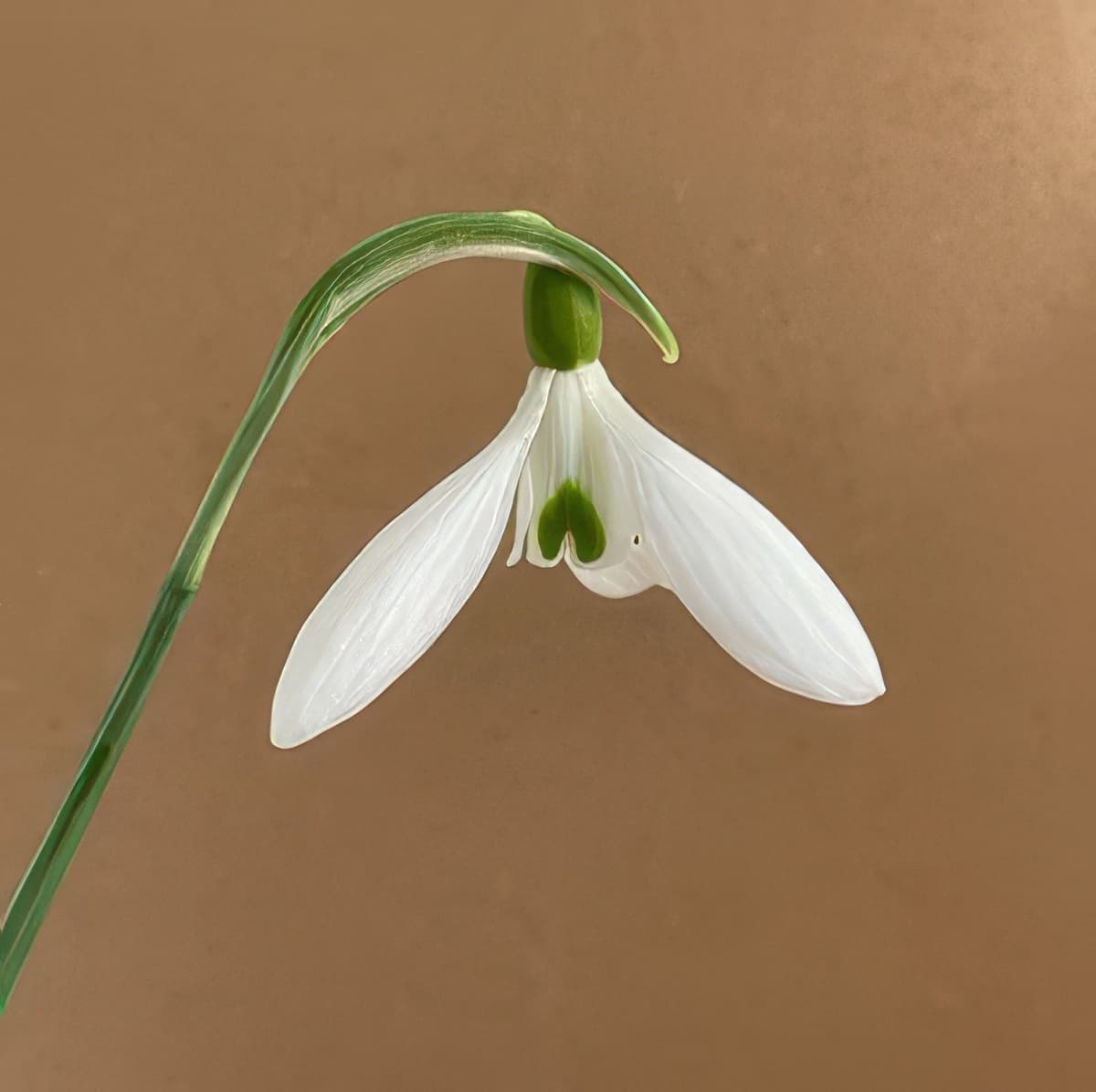
Galanthus 'Magnet' - a good medium strength perfume
Where does the perfume come from?
Some plants such as certain orchids have specific scent glands hidden down within the flower, but the majority of plants hold the VOCs within their petals, tepals and leaves; snowdrops hold the perfume within the tepals (also known as the outer and inner segments). On the surface of the tepals are small pores known as stomata, and it is out of these stomata that the scent is released. There is large variation in how many stomata each type of snowdrop has from a few small stomata on one surface, to lots of large stomata covering multiple surfaces inside and outside the flower.
Temperature also influences the opening and closing of the stomata, some will open and allow scent out at fairly low temperatures, others require more warmth. Room temperature is when most VOCs evaporate, and this seems to coincide with when most snowdrops open their stomata to release their perfume.
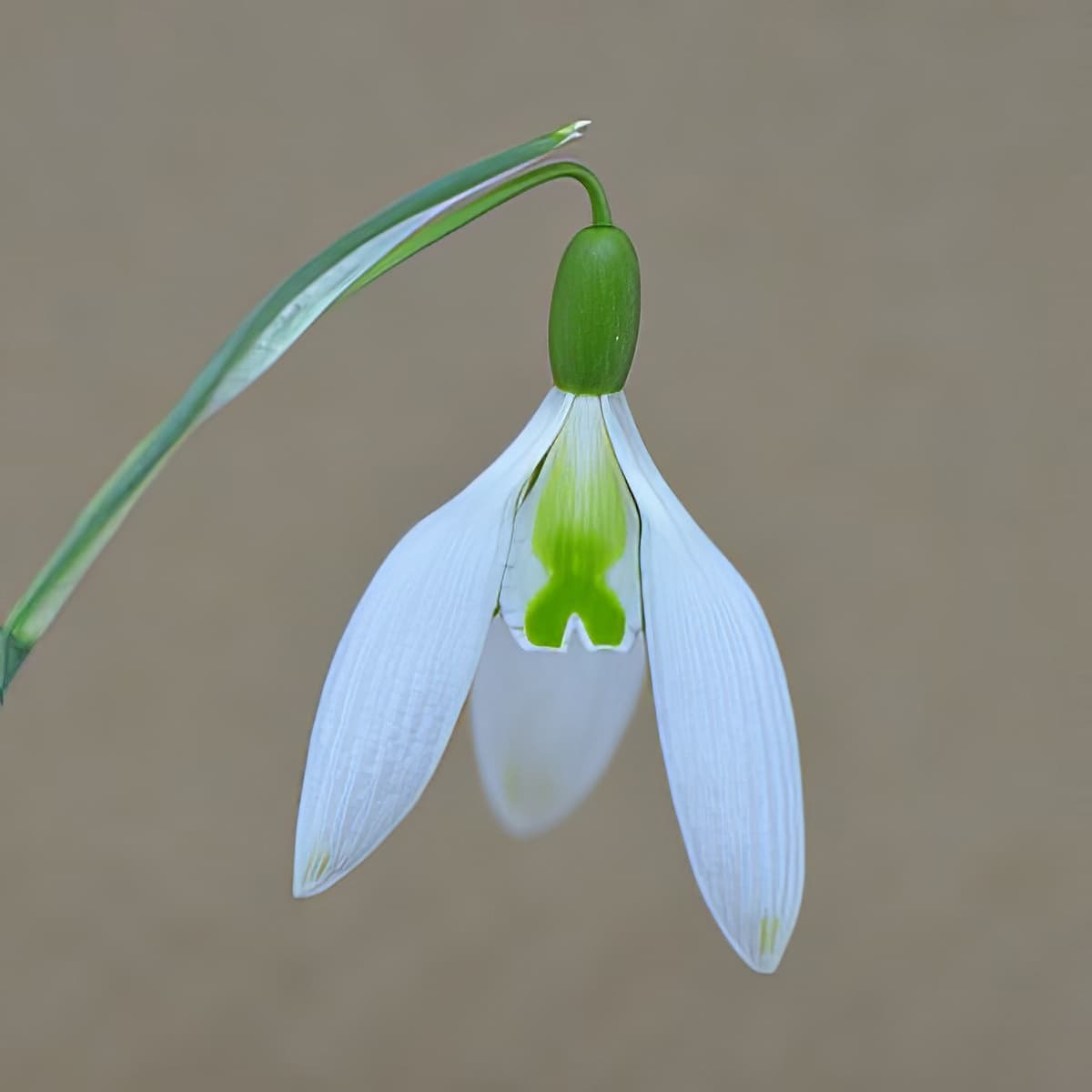
Galanthus 'James Backhouse' - a good medium strength perfume.
Why do snowdrops have perfume?
The scents given off by snowdrops act as short and long distance attractants for pollinators. The composition of the scent can be quite specific to the pollinator it wants to attract, or can be a general sweet scent which is popular with bees…I wonder if this is why so many snowdrops are described as being honey scented?
We need to bear in mind at this point that most of the species of pollinator that the snowdrop has evolved to attract may not be available in the UK as the snowdrop is a relative newcomer to the British Isles. It should be noted also that not all snowdrops have a pleasant scent, the species Koenenianus is described as having a smell of animal urine or bitter almonds, so perhaps has evolved to attract pollenating beetles in its native North-Eastern Turkey?
Galanthus elwesii 'Mrs MacNamara' - really strong perfume, one flower will fill a room!
In conclusion
There are a lot of variables in play when talking about scent and snowdrops, and will influence when (or if) we can detect perfume from a certain snowdrop.
The VOCs that make up the scent can vary in their components and strength.
The snowdrop can contain a variable quantity of VOCs.
The snowdrop can be covered in a varying quantity of stomata of a varying size which release the scent, and these stomata can open and close at varying temperatures depending on what pollinator the snowdrop is trying to attract.
Also, depending on which pollinator the snowdrop is aiming to attract will influence the variety and combination of VOCs that make up the scent, and because people are not something that snowdrops actually want to attract, maybe the scent is out-with the olfactory range of humans.
Cut snowdrops in re-purposed reed diffuser jars
Top Tip
Snowdrops out in the garden are usually chilly and exposed to winds that can blow away any scent. If you want to fully appreciate if the snowdrops you have in your garden are scented, cut a few stems and put into a small vase or jar of cold fresh tap water, and site on a bright windowsill in a warm room. Once the flowers adjust to the new temperature they will begin to give off their scent. Some varieties are decidedly stronger than others.
Galanthus 'Peardrop' - named for the shape, not the perfume. Has a nice honey perfume.
Some recommendations for scented snowdrops to try
Strong
- Galanthus elwesii ‘Mrs MacNamara’
- Galanthus ‘Golden Plummet’
- Galanthus ‘The Apothecary’
- Galanthus elwesii ‘Zwanenburg’
- Galanthus ‘Curly’
Medium Strength
- Galanthus ‘S. Arnott’
- Galanthus ‘Magnet’
- Galanthus ‘James Backhouse’
- Galanthus plicatus subsp. byzantinus ‘Richard Blakeway-Phillips’
- Galanthus elwesii ‘Blue Octopus’
- Galanthus ‘Atkinsii’
- Galanthus ‘Peardrop’
Footnote
Just as beauty is in the eye of the beholder, perfume is probably in the nose of the sniffer – scent is a subjective thing and just because I like or dislike a certain smell, or can detect or not detect a scent from a certain snowdrop, doesn’t mean you will have the results. Experiment with your snowdrops and see what you find.